Easy Holiday Garland Free Crochet Pattern for Beginners
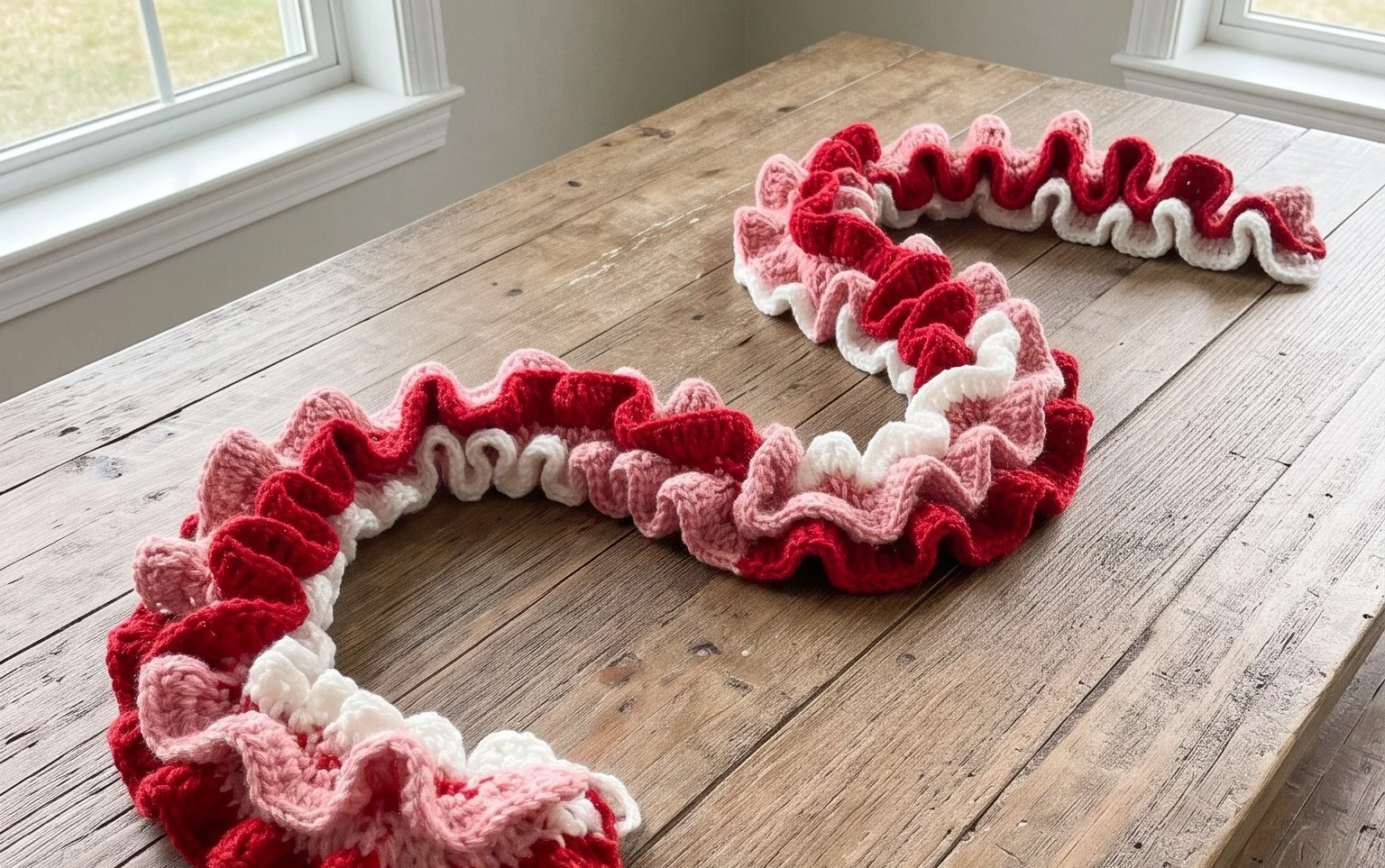
Bright festive motifs hanging on a soft cotton cord bring a touch of handmade warmth to your living room mantel or holiday tree. This pattern uses basic chain stitches and simple clusters to build shapes that hold their form even after being stored in a box until next December. Beginners enjoy how quickly these elements grow while seasoned crafters appreciate a mindless project for busy evenings. You will learn to manage tension for uniform shapes and master a simple join-as-you-go technique that saves time on assembly. These decorations are light, durable, and bring a personal touch to your seasonal home decor each winter.
Why You’ll Love This Pattern
This classic crochet dishcloth is designed with a durable, non-stretchy stitch pattern that makes quick work of household scrubbing. The texture created by the alternating post stitches traps soap effectively, while the cotton fiber withstands high-heat washing without losing its shape. Because it works up in less than an hour, it serves as a stash-busting project for those leftover balls of worsted weight yarn. You will find that the rhythm of the repeated pattern makes this an ideal project for keeping your hands busy while watching television or listening to an audiobook.
The texture on this dishcloth is much better than the standard flat cotton squares I have made in the past. It holds up perfectly in the dishwasher and maintains its square shape after dozens of cycles.
— Sarah, home crafter
Pattern Overview & Skill Level
- Skill Level: Beginner
- Approximate Time: 45–60 minutes
- Construction: Worked in flat rows, turning at the end of each row
- Finished Dimensions & Sizing: 8 inches by 8 inches square
Materials & Supplies Needed
- Yarn: Worsted weight #4, 100% cotton yarn, approximately 75 yards. Cotton is required for its absorbency and heat resistance.
- Hook Size: 5.0 mm (US H-8)
- Notions: Tapestry needle for weaving in ends, sharp scissors.
- Safe yarn substitutions: You may use a cotton-linen blend for increased durability, though this may result in a slightly stiffer fabric. Avoid acrylic yarns, as they are not absorbent and will melt if they touch a hot pan.
Stitch Guide & Abbreviations (US Terms)
- ch = chain
- sc = single crochet: Insert hook, yarn over, pull up a loop, yarn over, pull through both loops on hook.
- dc = double crochet: Yarn over, insert hook, yarn over, pull up a loop, yarn over, pull through two loops, yarn over, pull through remaining two loops.
- st(s) = stitch(es)
- FPdc = front post double crochet: Yarn over, insert hook from front to back to front around the post of the stitch below, yarn over, pull up a loop, complete as a normal dc.
Step-by-Step Pattern Instructions
The dishcloth is worked from the bottom up in a repeated two-row sequence.
- Row 1: Ch 30. Dc in the 4th ch from hook and in every ch across. (28 sts)
- Row 2: Ch 3, turn. FPdc around the next dc, dc in the next dc repeat from * to * until 2 sts remain. FPdc around the next dc, dc in the top of the turning ch. (28 sts)
- Row 3: Ch 3, turn. Dc in each st across. (28 sts)
- Repeat Rows 2–3 until the piece measures 8 inches from the starting edge.
- Finishing: Fasten off, leaving a 6-inch tail. Use your tapestry needle to weave the yarn tail back and forth through the base of the stitches on the back side of the work to secure it. Trim the excess.
Care & Washing Instructions
- Machine wash in warm water on a regular cycle with like colors.
- Tumble dry on low heat or lay flat on a drying rack to prevent shrinkage.
- If the cloth becomes misshapen after drying, dampen it slightly, pull into an 8×8 square, and allow it to air dry flat to reset the fibers.
Pro Tips & Common Mistakes to Avoid
Maintain consistent tension throughout the project by keeping your yarn feed smooth. If your tension is too tight, the resulting dishcloth will be rigid and difficult to use. Use a stitch marker in the first stitch of every row to ensure you do not accidentally skip the final turning chain, which is a common error that leads to a lopsided triangle shape instead of a square. To hide your ends effectively, weave them through the stitches in multiple directions rather than just in a straight line. If you wish to adjust the size, add or subtract foundation chains in multiples of two; note that a larger cloth will require significantly more than one 100-yard ball of cotton yarn.
Frequently Asked Questions
Can I use a larger hook for this pattern?
Yes, using a larger hook will make the fabric looser and more flexible, but it will also result in larger gaps in the stitches. This is fine for dusting or general washing, but you may prefer the standard 5.0 mm hook for heavy-duty scrubbing.
Is this project suitable for a complete beginner?
This pattern is excellent for beginners because it only uses basic double crochet and the front post double crochet, which is a simple modification of the standard double crochet stitch.
Can I sell the dishcloths I make from this pattern?
You are welcome to sell finished items made from this pattern in small quantities. Please credit the design to this tutorial whenever possible.
How do I know if my yarn is the right weight?
Check the label on your yarn ball. It should have a symbol with a number 4 inside a yarn skein icon, which indicates it is classified as medium or worsted weight.
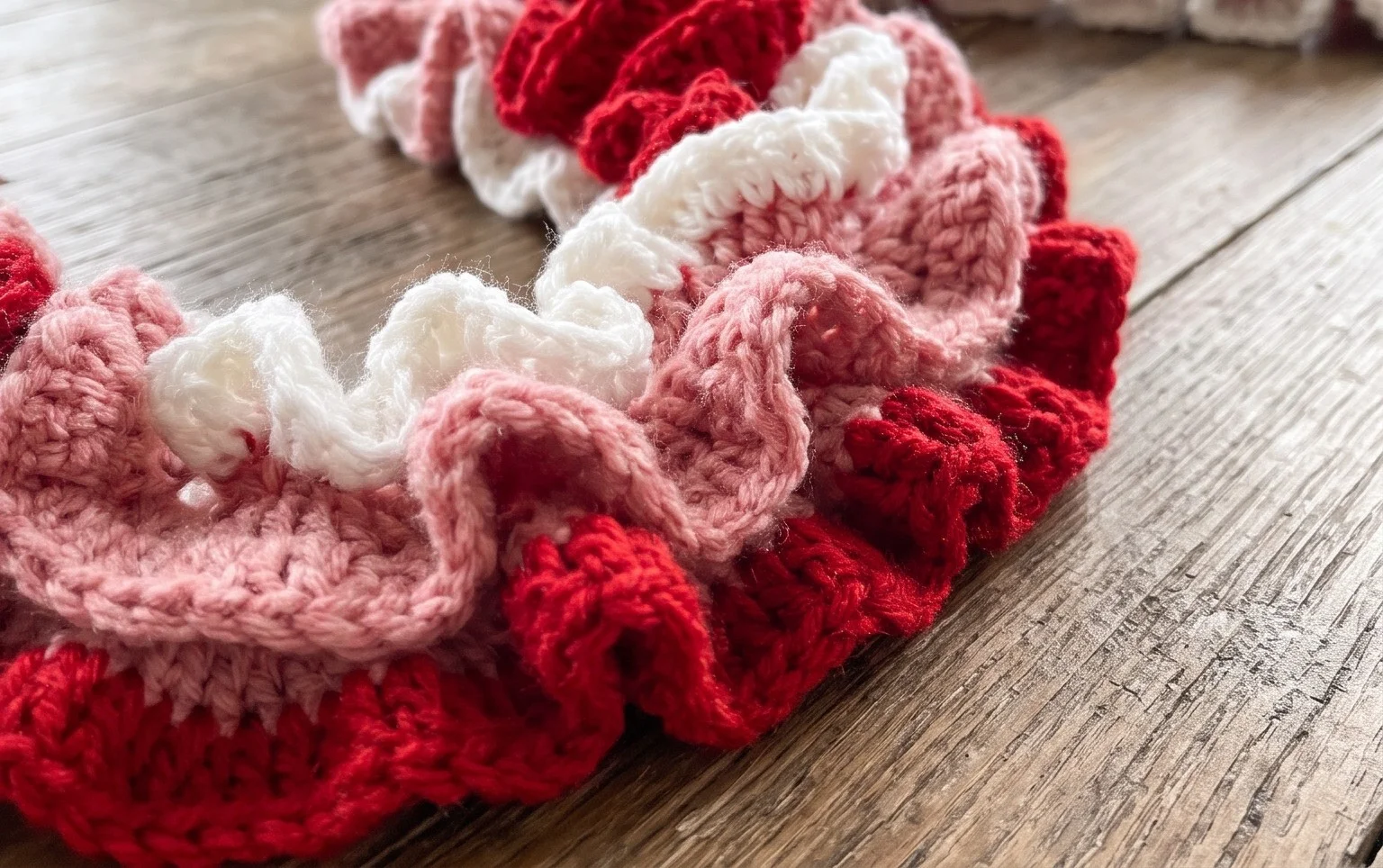
Your finished garland looks lovely draped across a doorway or wrapped around a wooden railing to bring a cozy atmosphere to your living space. If you want a different look, try using metallic thread held alongside your main yarn for a subtle shimmer or swap the standard shapes for tiny stuffed stars using a smaller hook. I love seeing how these colors turn out so feel free to share a photo of your work on Instagram. You can find more free patterns and seasonal ideas listed on the blog.