10 Free Foldable Market Bag Patterns: 3-Day Crochet Along
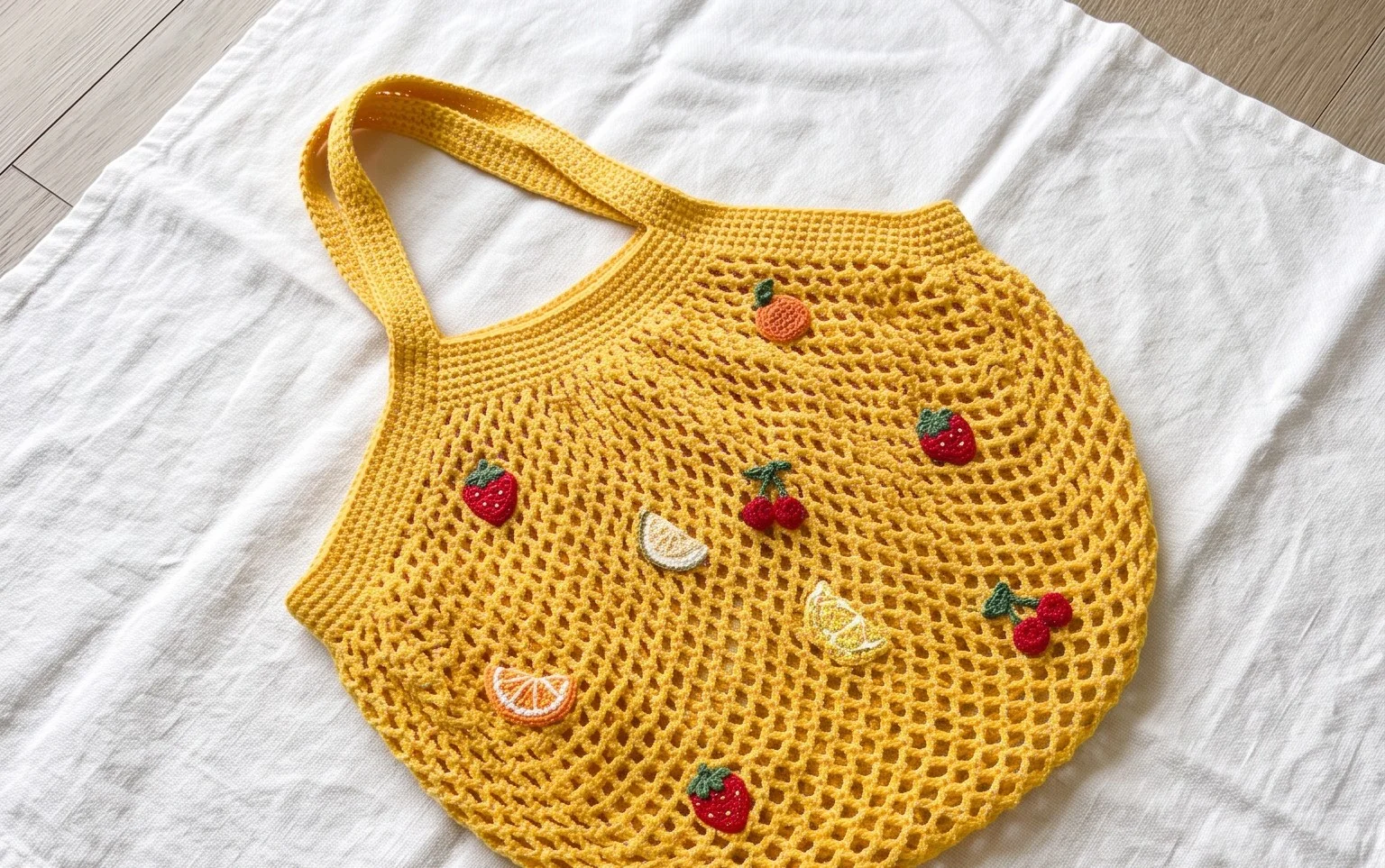
These foldable mesh bags stretch to hold heavy produce while collapsing down to the size of a small wallet for your purse or pocket. They are essential for market runs and provide a satisfying rhythm for beginners who want to practice consistent tension. You will work through simple chain loops and double crochet clusters that create a light, airy fabric without requiring any tricky finishing work or seams. This project suits anyone who needs a quick gift or a durable grocery haul helper. Join our live three-day session to master these ten unique designs while learning how to structure sturdy, functional carrying straps.
Why You’ll Love This Pattern
The Classic Crochet Cotton Dishcloth is a staple for every home kitchen because it creates a functional, long-lasting fabric that is far more durable than disposable paper towels. This pattern relies on the moss stitch, which produces a dense, textured surface that effectively scrubs surfaces while remaining soft enough for glassware. It is an excellent project for utilizing small amounts of leftover cotton yarn from larger projects. Because the design uses a simple, repeating two-row sequence, it serves as a meditative project that requires minimal mental energy once you establish the rhythm. You can easily adjust the size to create anything from small coasters to large kitchen towels by changing your starting chain length.
I managed to finish three of these in a single evening while catching up on a show. The texture is perfect for scrubbing pots and they wash up beautifully without losing their shape.
— Sarah, home crafter
Pattern Overview & Skill Level
- Skill Level: Beginner
- Approximate Time: 45 to 60 minutes
- Construction: Flat panel worked in rows
- Finished Dimensions: 8 inches by 8 inches
Materials & Supplies Needed
- Yarn: Worsted weight #4, 100% cotton, approximately 50 yards per cloth.
- Hook Size: 5.0 mm / H-8.
- Notions: Tapestry needle for weaving ends, scissors.
- Yarn Substitutions: You may use a cotton-acrylic blend, but 100% cotton is recommended for maximum absorbency. If you use a lighter weight yarn, expect a smaller finished cloth unless you increase your starting chain count and number of rows.
Stitch Guide & Abbreviations (US Terms)
- ch = chain
- sc = single crochet
- st/sts = stitch/stitches
- sk = skip
- sp = space (the gap created by a chain)
- turn = turn your work to begin the next row
Step-by-Step Pattern Instructions
Main Dishcloth Body
- Foundation: Ch 31.
- Row 1: Sc in the 4th ch from the hook, *ch 1, sk 1 ch, sc in the next ch; repeat from * until the end of the row. Turn. (15 sc, 14 ch-1 spaces).
- Row 2: Ch 2, sc in the first ch-1 space, *ch 1, sk 1 sc, sc in the next ch-1 space; repeat from * until the last ch-1 space, ending with an sc in the turning chain space. Turn. (15 sc, 14 ch-1 spaces).
- Rows 3–30: Repeat Row 2 until the piece measures approximately 8 inches from the starting edge.
- Finishing: Fasten off, leaving a 6-inch tail. Use a tapestry needle to weave the yarn end back into the fabric, moving in different directions to ensure it remains secure through repeated washings.
Care & Washing Instructions
- Machine wash in warm water on a gentle cycle to preserve the fiber integrity.
- Tumble dry on low heat or lay flat on a clean towel to air dry for the best results.
- Avoid using fabric softener, as it reduces the absorbency of the cotton fibers over time.
Pro Tips & Common Mistakes to Avoid
- Maintaining Tension: Cotton yarn has very little stretch. Keep your tension consistent, especially when working the turning chains, so the edges of your cloth stay straight rather than curling inward.
- Counting Stitches: Use a stitch marker on the first stitch of every row until you become comfortable identifying the chain spaces. This ensures you do not accidentally drop or add stitches at the ends of the rows.
- Weaving Ends: Secure your starting and ending tails by weaving them in vertically through the base of the stitches rather than horizontally, which helps them stay locked in place when the cloth is wet.
- Adjusting Size: To make the cloth wider, increase your foundation chain by an odd number. Each added chain increases the width by approximately one-half inch depending on your specific tension.
Frequently Asked Questions
Can I use a different yarn weight for this pattern?
Yes, you can use a lighter or heavier weight yarn. Keep in mind that a lighter yarn will result in a smaller, thinner cloth, while a heavier yarn will create a thicker, stiffer scrubber. Adjust your starting chain until you reach your desired width.
Is this project suitable for someone who has never held a hook before?
This pattern is ideal for beginners because it only requires two basic skills: the chain stitch and the single crochet. The repetitive nature of the moss stitch provides plenty of practice for developing steady tension.
Are the finished dishcloths safe to sell at craft markets?
You are welcome to sell finished items made from this pattern. I only ask that you credit the design back to this website if you choose to list them online or at local events.
How do I prevent the edges from becoming wavy?
Wavy edges are usually caused by working too loosely at the turning points or adding extra stitches. Ensure you are working into the ch-1 spaces provided by the previous row and avoid adding stitches into the side edges of the work.
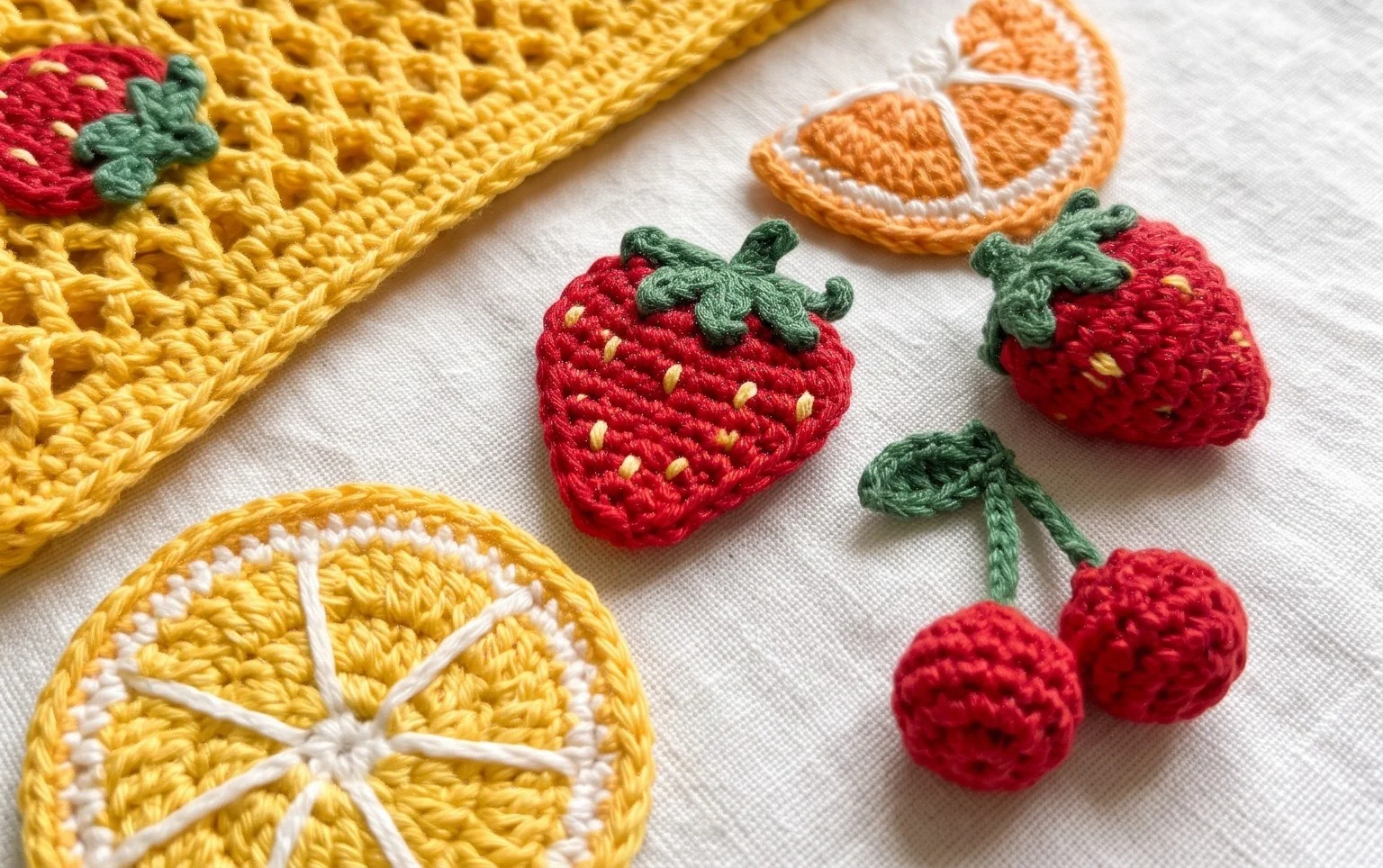
Your new mesh bags will hold their shape through countless trips to the grocery store or local farmers market. Consider using a variegated cotton yarn if you want to highlight the geometric stitch patterns or stick to a solid neutral for a classic aesthetic that matches everything. Post a photo of your finished work on social media so others can see your color choices. Look through the rest of our blog for more free patterns that help you build a handmade home one afternoon at a time.