The Walden Dog Sweater Free Crochet Pattern: Easy Guide
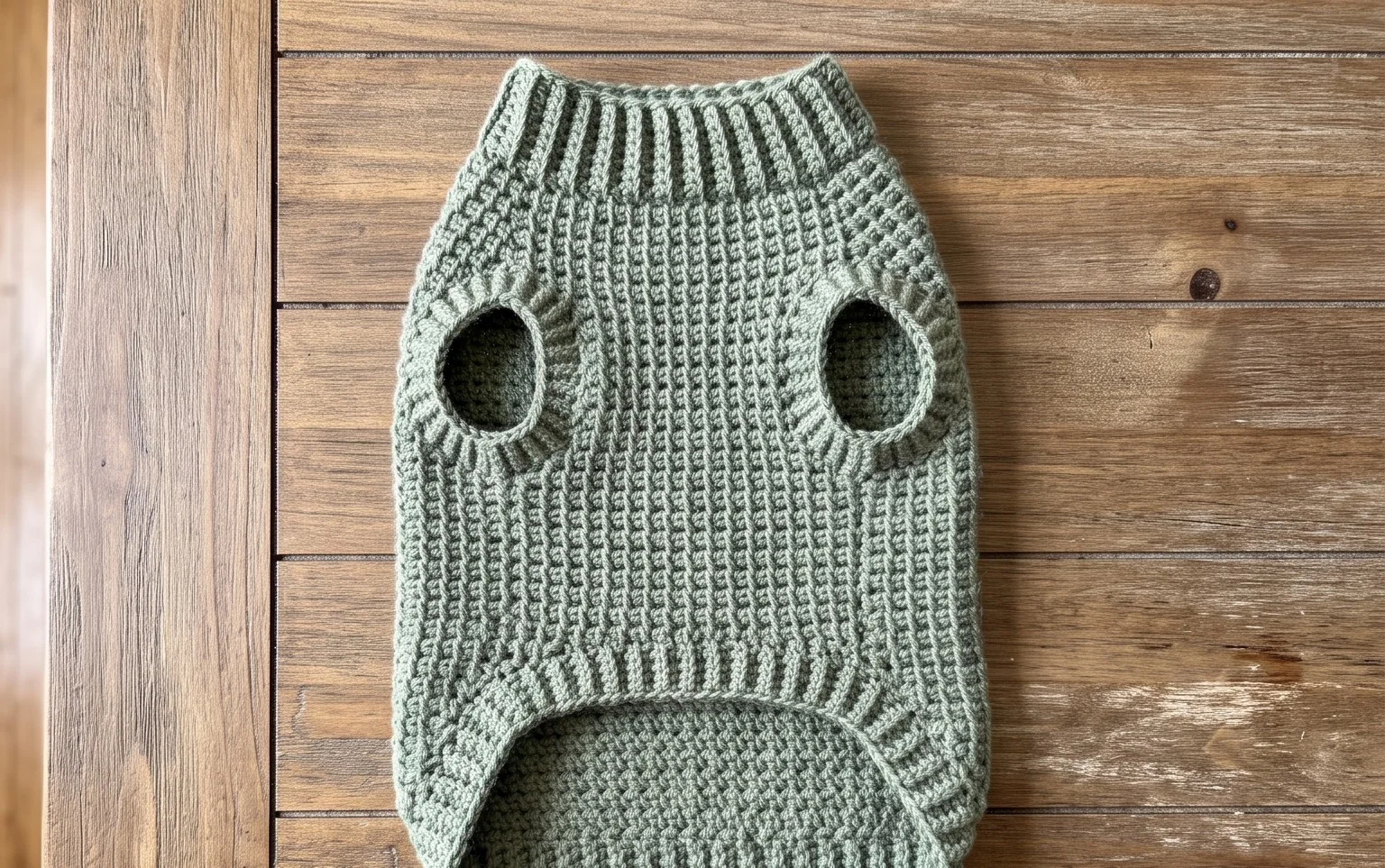
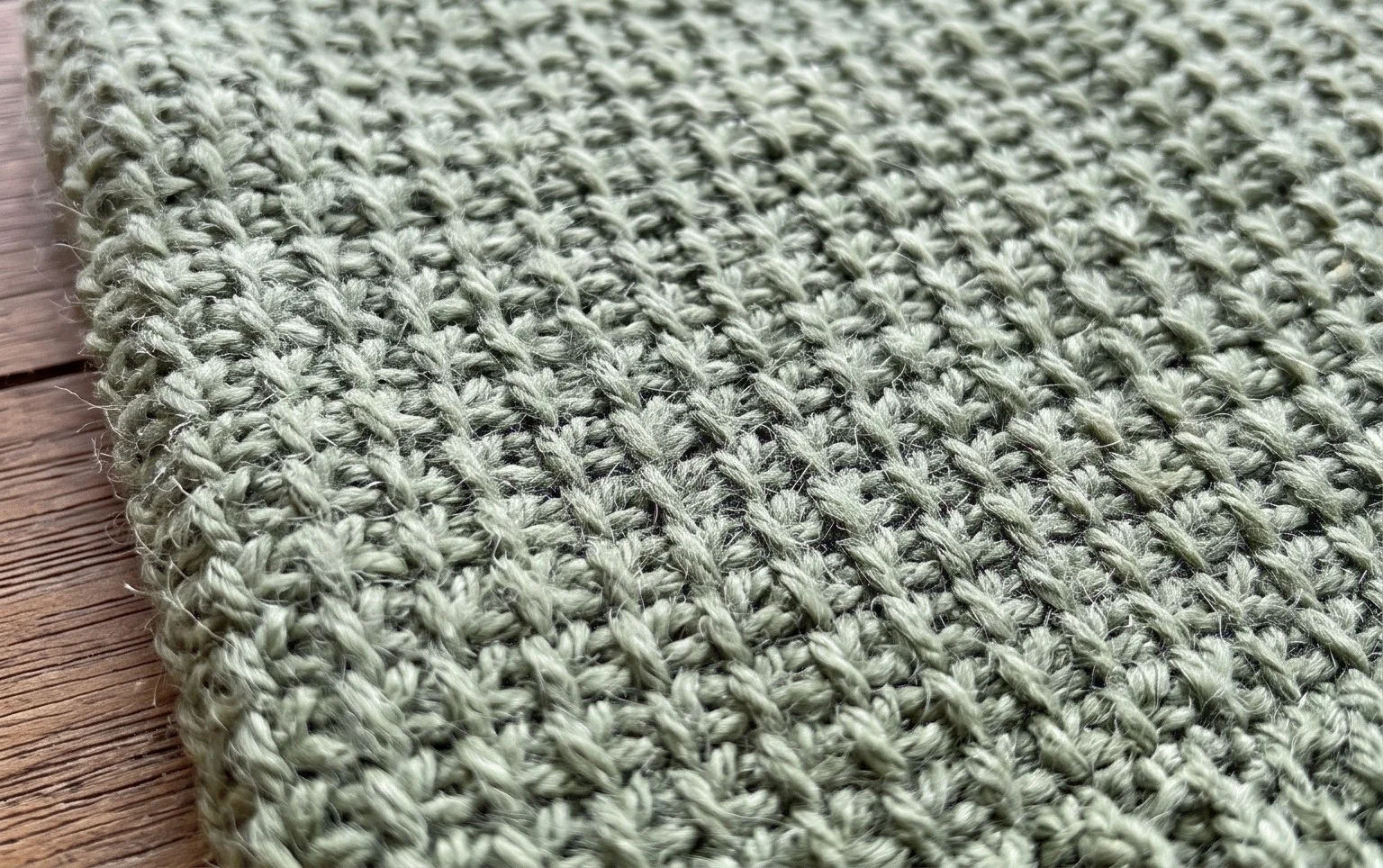
This dog sweater has a thick, ribbed texture that keeps smaller breeds warm during brisk morning walks. The finished fabric feels soft against a pet’s fur while remaining sturdy enough for daily outdoor wear. You will appreciate how quickly the work builds, especially when using basic stitches that create a polished, store-bought look. This project suits makers who want to create a handmade gift for a furry friend or practice shaping garments without complex patterns. Learning to work in rounds and manage stitch counts helps build your confidence for future wearables, and the final fit is adjustable for different sizes.
Why You’ll Love This Pattern
The Classic Crochet Dishcloth is a functional staple that works up quickly using simple, repetitive stitches. This project is ideal for using up leftover cotton yarn from larger projects, making it both budget-friendly and practical for the kitchen. Because it uses only basic crochet techniques, it provides a consistent, meditative rhythm that is perfect for relaxing after a long day. The textured stitch pattern helps provide extra scrubbing power for cleaning dishes while remaining soft enough to handle easily.
I managed to finish three of these in a single weekend. They are the perfect size for washing dishes and the cotton texture is much better than the synthetic sponges I used to buy.
— Sarah, home crafter
Pattern Overview & Skill Level
- Skill Level: Beginner
- Approximate Time: 45–60 minutes per cloth
- Construction: Worked in flat rows
- Finished Dimensions: 8 inches by 8 inches
Materials & Supplies Needed
- Yarn: Worsted weight (#4) 100% cotton yarn, approximately 60 yards per dishcloth.
- Hook Size: 5.0 mm (US H-8).
- Notions: Tapestry needle for weaving in ends, sharp scissors.
- Yarn Substitutions: You can use a cotton/linen blend for extra durability. Note that acrylic yarn is not recommended for dishcloths as it lacks the absorbency required for cleaning tasks.
Stitch Guide & Abbreviations (US Terms)
- ch: chain
- sc: single crochet
- dc: double crochet
- st(s): stitch(es)
- sk: skip
- yo: yarn over
- Moss Stitch: A combination of single crochet and chain stitches, alternating across the row to create a woven, durable texture.
Step-by-Step Pattern Instructions
Main Body
- Row 1: Ch 32. Sc in the 4th ch from the hook. *Ch 1, sk 1 ch, sc in the next ch. Repeat from * until the end of the row. (16 sc, 15 ch-1 spaces)
- Row 2: Ch 2, turn. Sc in the first ch-1 space. *Ch 1, sk 1 sc, sc in the next ch-1 space. Repeat from * until the end of the row, ending with a sc in the turning chain space. (16 sc, 15 ch-1 spaces)
- Rows 3–30: Repeat Row 2 until the piece measures 8 inches long.
- Finishing: Fasten off and weave in all loose ends securely using a tapestry needle.
Border (Optional)
- Round 1: Join yarn in any corner. Ch 1, work sc evenly around the perimeter of the dishcloth, placing 3 sc in each corner to keep the fabric flat.
- Join: Join with a sl st to the first sc and fasten off.
Care & Washing Instructions
- Machine wash in warm water on a gentle cycle to remove oils and food residue.
- Tumble dry on low heat or lay flat on a clean towel to air dry completely.
- Block the dishcloth by pulling it into a square shape while damp to ensure it remains uniform after washing.
Pro Tips & Common Mistakes to Avoid
- Tension Consistency: Keep your tension relaxed while working the chain stitches. If your chains are too tight, the dishcloth will shrink or pull inward at the edges.
- Stitch Markers: Use a stitch marker at the beginning of each row to help identify the final chain-space, which is a common spot for beginners to skip accidentally.
- Invisible Ends: Always weave your tail back and forth through the stitches in three different directions to ensure it does not unravel during heavy scrubbing.
- Adjusting Size: To make the cloth larger, start with an even number of chains. Each additional inch will require approximately 8–10 extra yards of yarn.
Frequently Asked Questions
Can I use a different weight of yarn for this pattern?
While you can use a sport weight or bulky yarn, it will significantly change the finished size and the absorbency of the fabric. It is recommended to stick to worsted weight cotton for the best balance of thickness and drying time.
Why do my edges look uneven after a few rows?
This often happens if the final stitch of the row is missed. Always count your single crochets to ensure you have 16 per row before turning your work.
Is it okay to sell finished items made from this pattern?
Yes, you are welcome to sell finished dishcloths at craft fairs or online shops. Please credit the design to this tutorial when posting your photos.
How can I make the dishcloth more durable?
Adding a simple single crochet border around the entire edge not only creates a professional finish but also reinforces the structure, preventing the edges from curling over time.
Seeing your dog comfortably dressed in a handmade sweater is a great reward for your time spent working with hooks and yarn. You can easily switch to a wool blend for colder climates or choose high-contrast stripes if you want a bolder look for your pet. Please share a photo of your finished sweater on social media to inspire others in our crafting community. Our blog has many more free projects to help you practice new techniques and fill your queue with useful items.